What Grind Size Should You Use for Pour Over?
Start with a medium grind for pour over, similar to table salt. If the brew tastes sour or finishes too quickly, grind finer; if it tastes bitter or drains slowly, grind coarser.
On this page (8 sections)
- What grind size for pour over should you start with?
- How can taste and brew time guide your grind adjustment?
- Do dripper shape and filter affect grind size?
- Why does grind consistency matter for pour over?
- How do you set a grinder for your first pour over?
- Should pour over be finer than drip coffee?
- What mistakes can make pour over taste off?
- How should you choose a grinder for pour over?
For pour over, start with a medium grind about as coarse as table salt. Adjust finer if the water runs through quickly and the cup tastes sour, or coarser if the drawdown is slow and the coffee tastes bitter.
The right grind depends on the brewer, filter, coffee, and pouring method. Use the first brew as a baseline, then change one thing at a time so you can tell what helped.
What grind size for pour over should you start with?
A medium grind is a useful starting point for most pour-over brewers. The grounds should look like small, even grains rather than powder or large chunks.
A grind that is too fine can slow water flow and make the cup taste harsh or bitter. A grind that is too coarse can let water pass quickly, which may leave the coffee tasting sour, weak, or thin.
The label “medium” is only a guide. Different grinders use different numbers and steps, so note the setting that works with your brewer instead of expecting one universal number.
How can taste and brew time guide your grind adjustment?
If your pour over tastes sour and finishes quickly, try grinding finer. Smaller grounds slow water flow and give water more contact with the coffee.
If it tastes bitter, dry, or heavy and takes too long to drain, try grinding coarser. Larger grounds can help the water pass through more freely.
Change the grind by one small step, then brew again with the same coffee dose and pouring routine. Adjusting several parts of the recipe at once makes it harder to learn which change mattered.
What if the coffee tastes sour but the drawdown seems normal?
A sour cup can point to a grind that's too coarse, but grind size isn't the only factor. Water temperature, pouring, and the coffee itself can also shape the taste.
Try a slightly finer setting first and keep the rest of the recipe steady. If the result stays sour, review the pour pattern and brewer instructions before making another grind change.
Do dripper shape and filter affect grind size?
Yes, the brewer and filter can change how quickly water drains, so they can shift the grind that works best. A recipe for one dripper may not transfer exactly to another.
A flat-bottom brewer and a cone-shaped brewer can behave differently. Paper filters, their shape, and how they sit in the dripper also affect water flow.
Use the grind in a recipe as a starting point, not a promise. If the coffee drains too fast or too slowly, adjust the grind a little and repeat the brew.
For a broader look at the grinder itself, read how burr grinders work and what to compare. Burr grinders give you a way to make repeatable changes across brewing methods.
Why does grind consistency matter for pour over?
Even grounds make it easier to brew evenly. If a grinder creates a mix of fine powder and large chunks, water can move through different parts of the coffee bed at different speeds.
A burr grinder can help you choose and repeat a grind setting. See how to use a burr coffee grinder for a simple setup and adjustment routine.
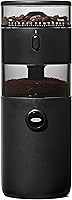
The Fellow Opus 2 has a quick-reference guide under the lid and a stepless adjustment, so you can move between settings continuously. Those features suit someone who wants to tune a pour-over grind and also uses other brew methods.
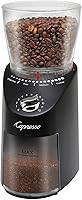
The Baratza Encore uses 40 settings and has a front-mounted pulse button plus an on/off switch. Choose it if you prefer moving between defined settings rather than making continuous adjustments.
The Timemore Chestnut C3S is a manual grinder with an adjustment nut and folding handle. It suits readers who want a hand grinder they can carry for home brewing or travel.
How do you set a grinder for your first pour over?
Start at the grinder’s middle range if it has one, then brew a consistent recipe. If the instructions include a pour-over setting, use that as a starting point and adjust based on the cup.
Write down the setting, coffee dose, and approximate drawdown time. A short note makes it easier to return to a good result when you change beans or clean the grinder.
For an electric grinder with fixed steps, move one or two steps at a time. A manual grinder may use numbered clicks or turns; record the position rather than assuming its numbers match another grinder.
Should pour over be finer than drip coffee?
Pour over and automatic drip often use similar medium grinds, though the ideal setting can differ by brewer and recipe. Filter shape, water flow, and brew time all matter.
Use the same taste-based adjustments for either method, then fine-tune for your setup. Our guide to grind size for drip coffee covers that brewer separately.
For comparison, French press grind size is usually coarser than a typical pour-over grind. A coarser texture helps water move through the larger grounds during immersion brewing.
What mistakes can make pour over taste off?
The most common grind mistake is changing too many variables at once. Keep the coffee amount, water, and pouring routine steady while you make a small grind adjustment.
Another common issue is assuming that a number means the same thing on every grinder. Grinder settings aren't standardized, so compare the grounds and brew result rather than copying a number from a different model.
Old or stale coffee can also taste flat, and uneven pouring can cause inconsistent extraction. Check those factors before making a large grind change.
How should you choose a grinder for pour over?
Choose a grinder that lets you make small, repeatable changes around a medium grind. If you brew several ways, a wider range can also help you move between pour over, drip, and coarser methods.
The Fellow Opus 2 offers stepless adjustment and a built-in grind guide. The Baratza Encore offers 40 marked settings, while the manual Timemore Chestnut C3S offers roughly 36 adjustment levels and a folding handle.
Pick the Opus 2 if continuous changes suit your routine, the Encore if you want defined steps, or the C3S if you prefer manual grinding. Start medium, then let drawdown and taste guide each small adjustment.
Frequently asked questions
What grind size should I use for pour over?
Start with a medium grind, about the texture of table salt. The best setting depends on your dripper, filter, coffee, and pour pattern, so use taste and drawdown time to adjust.
If the cup is sour or runs through too quickly, try finer; if it is bitter or slow, try coarser.
Is pour over coffee ground fine or coarse?
Pour over usually calls for a medium grind, between the finer texture used for espresso and the coarser texture used for French press. Some brewers and recipes work better slightly finer or coarser, so treat medium as a starting point rather than a fixed rule.
Why is my pour over draining too slowly?
A grind that's too fine can slow water flow, and a filter or pouring pattern can affect drawdown too. Try one small adjustment coarser while keeping your dose, water, and pouring method steady.
If the brew still stalls, check that the filter is seated and the bed isn't disturbed.
Can I use pre-ground coffee for pour over?
Yes, pre-ground coffee can work for pour over, though it gives you less control over freshness and grind size. Choose coffee labeled for pour over or drip, then adjust your recipe if the water drains unusually fast or slow.
A burr grinder lets you make smaller changes when needed.