Burr Grinders Explained: How to Pick the Right One
A burr grinder crushes beans between two burrs, giving you adjustable grind sizes for different brew methods. Choose by the coffee you make, the adjustments you need, and whether you prefer a hand or electric grinder.
On this page (5 sections)
A burr grinder crushes coffee beans between two burrs and lets you adjust the grind size for your brew method. Choose one by the coffee you make most, the range and precision of its settings, and whether you want a hand or electric grinder.
A grinder's settings help you move between finer grounds for espresso and coarser grounds for methods such as French press. The right choice also depends on capacity, controls, and how much adjustment you want in your daily routine.
What is a burr grinder?
A burr grinder uses two shaped surfaces, called burrs, to break beans into grounds. You change the grind size by adjusting the grinder's setting, which changes how fine or coarse the grounds are.
The burrs may be flat or conical, and they may be made from materials such as steel or ceramic. Those details describe the grinding parts, but they do not tell the whole story: settings, controls, and the way you brew matter too.
A burr grinder is different from a blade grinder, which cuts beans with a spinning blade. If you want to compare the two types for home coffee, read whether a burr grinder is worth it.
What should you look for in a burr grinder?
Start with a grind range that suits your usual brew method. Then compare adjustment steps, dose controls, capacity, and the space and effort the grinder requires.
How many grind settings do you need?
The number of settings is a useful starting point, but it does not show how much control each change gives you. Look for settings that cover the methods you use and allow you to make adjustments that are easy to repeat.
For example, the Baratza Encore has 40 grind settings, while the Breville Smart Grinder Pro has 60. The OXO Brew Conical Burr Grinder has 15 settings plus 43 micro-adjustments, so its main settings are divided into smaller steps.
Do you need fine or coarse settings?
Choose a grinder that covers the grind sizes for your main method. A grinder with a wide stated range may suit more than one style of brewing, but you should check whether its adjustment steps fit the method you care about most.
For espresso, fine adjustments can matter as you dial in a shot. For French press, you need a coarse setting.
Our guides explain what grind size works for pour over and what grind size suits a drip coffee maker.
Should you buy a hand or electric burr grinder?
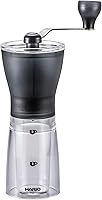
An electric grinder suits a routine where you want powered grinding and convenient controls. A manual grinder makes sense when portability or hand operation is a priority.
The KINGrinder K6 is a manual option with external grind adjustment and a stated 25–35 g hopper volume. For more on the trade-offs, see our manual vs electric coffee grinder comparison.
Which controls make daily grinding easier?
Choose controls that fit the way you measure and brew coffee. A simple switch or pulse button may be enough if you grind by feel, while timed or programmable controls can help you set a repeatable dose.
The OXO remembers its last setting and starts with one touch. The Breville Smart Grinder Pro has a digital display and adjustable grind time in 0.2-second increments.
Which burr grinder style fits your routine?
The best style is the one whose controls, capacity, and adjustment range fit how you make coffee. These examples show different approaches, from a simple electric grinder to a portable manual model.
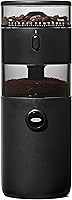
OXO Brew Conical Burr Grinder: remembered settings
The OXO suits a home routine where you want one-touch operation and a hopper that holds up to 12 oz of beans. Its 15 settings plus 43 micro-adjustments let you make finer changes than the main setting count alone suggests.
Its stainless steel conical burrs and range from fine to coarse support several brew methods. The hopper has a UV-blocking tint, a practical feature if your beans sit in a sunny kitchen.
Consider it if you want to load more beans at once and return to your last setting. If you prefer to weigh beans separately for each brew, a single-dose workflow may fit better.
Baratza Encore: straightforward electric controls
The Encore suits buyers who want a simple electric grinder with 40 settings. A front-mounted pulse button and on/off switch keep the basic controls easy to understand.
Its 40 mm conical steel burrs are designed for a range of brew methods, including espresso, French press, and automatic brewers. Baratza includes a 1-year warranty and describes its support as part of the grinder's offering.
Consider the Encore if straightforward operation matters more than a digital display or programmable grind time. For a comparison with another Baratza option, see our Breville Smart Grinder Pro vs Baratza Encore guide.
Breville Smart Grinder Pro: programmable timing
The Breville suits coffee drinkers who want 60 settings and control over grind time. Its digital display shows the selected setting, grind time, and chosen number of shots or cups.
The grinder can deliver grounds to a portafilter, an airtight container, or a filter basket. It includes small and large portafilter cradles and a grinds container.
Consider it if you want to adjust timing and choose how the grounds are collected. If you prefer fewer controls, a simpler electric grinder may be easier to fit into your routine.
KINGrinder K6: portable manual grinding
The KINGrinder K6 suits a routine where a hand grinder's portability and external adjustment are useful. It has 60 clicks per rotation, and its hopper volume is 25–35 g.
Its aluminum body and stainless steel burr set are part of a full-metal design. The grinder can be disassembled by hand for brushing, and the instructions advise against cleaning it with water.
Consider it for indoor or outdoor use when you are comfortable grinding by hand. For help getting started with that style, read how to use a manual coffee grinder.
How do you choose a burr grinder by brew method?
Match the grinder to your main brew method first, then check whether it can cover the others you make. A broad range may be useful, but the steps and controls need to make sense for your routine.
| Your main method | What to prioritize |
|---|---|
| Espresso | Fine settings and adjustments you can repeat |
| Pour over | A suitable middle range and easy setting changes |
| Drip coffee | Simple operation and a setting that suits your brewer |
| French press | A grinder with a coarse setting |
| Cold brew | Coarse grinding and capacity that fits your batch routine |
These are starting points, not fixed recipes. Coffee, brewer design, and personal taste can change the grind size that works best.
Use our guide to choosing a French press grind size as you dial in your brew. If you are still deciding whether to grind beans at home, our guide to using a burr coffee grinder step by step covers the basic process.
What burr grinder should you choose?
Choose the grinder that fits your most common brew method and preferred routine. Prioritize fine adjustments for espresso, simple controls for an everyday electric setup, or portability if you want to grind by hand.
If you need remembered settings and a large hopper, compare the OXO. For straightforward electric controls, consider the Encore; for timed adjustments and a display, consider the Breville.
Choose the KINGrinder K6 when manual grinding and portability suit you.
A burr grinder's settings can help you match grounds to your brewing method, but your preferred grind may take adjustment. Start with a suitable setting, then change it based on how the coffee brews.
For more options, browse our best electric coffee grinders for home brewing and best manual coffee grinders with steel burrs.
Frequently asked questions
What does a burr grinder do?
A burr grinder breaks coffee beans into smaller pieces between two shaped grinding surfaces called burrs. You adjust the distance or setting to change the grind, making it easier to match the grounds to a brew method such as pour over, drip, French press, or espresso.
Is a burr grinder better than a blade grinder?
A burr grinder gives you settings designed to control grind size, which can help you match grounds to your brew method. A blade grinder chops beans with a spinning blade.
If you want repeatable adjustments, look for a burr grinder with clear settings and a range suited to your coffee.
Should I choose a flat or conical burr grinder?
Choose based on the grinder's adjustment range, controls, and fit for your brewing routine. Flat and conical describe burr shapes, but shape alone does not tell you how easy a grinder is to use or whether its settings suit your method.
Compare the full design and its stated features.
Can one burr grinder make espresso and French press grounds?
Some burr grinders offer a broad range from fine to coarse, but a wide range alone does not guarantee the adjustments will suit your espresso setup. Check how the grinder handles fine settings and whether its controls make repeatable changes practical for both espresso and French press.
Do I need an electric or manual burr grinder?
Choose an electric burr grinder for push-button or timed grinding, or a manual grinder if portability and hand operation fit your routine. Think about how often you brew, how much coffee you make at once, where you grind, and whether you want to control the dose yourself.