Ceramic vs Stainless Steel Burr Grinders: Which Is Better? (November 2026)
Choose ceramic burrs if you want a manual mill that won't rust; choose steel burrs if you want a powered grinder or more adjustment options. Your brew method, effort and cleaning routine matter as much as burr material.
On this page (6 sections)
Choose ceramic burrs if you want a manual mill that won't rust; choose stainless steel burrs if you want a powered grinder or more adjustment options. In this ceramic vs stainless steel burr grinder comparison, the grinder's controls, care and power source matter alongside burr material.
Ceramic and steel are both used in coffee burrs, but material alone doesn't decide grind quality or brew compatibility. A ceramic hand mill, an adjustable steel hand grinder and a powered steel grinder serve different routines.
The examples below show how those choices line up. For more on burr shapes and grinder basics, see our guide to how burr grinders work.


Ceramic vs stainless steel burr grinders: what changes?
Ceramic burrs resist rust, while stainless steel burrs are used in manual and powered grinders with varied adjustment ranges. The grinder's whole design determines how you'll grind and care for it.
Ceramic is hard and doesn't rust, but it can be brittle if struck or mishandled. Stainless steel can be durable, though steel burrs still need routine care and protection from moisture.
These are broad material traits, not a guarantee of how any one grinder will perform. Burr geometry, alignment, motor or hand mechanism, and adjustment design all affect the result in your cup.
Does burr material affect flavor?
Burr material by itself doesn't predict flavor. Grind consistency and the size range you can reach are more useful things to compare.
A grinder that produces a mix of very fine and very coarse grounds can make extraction less even, whatever its burr material. Look for a clear adjustment system that lets you repeat a setting for your brewing method.
Avoid treating brand language about a "consistent grind" as a promise that every cup will taste the same. Beans, freshness, water and brewing technique also shape flavor.
Which grinder fits your routine?
Choose a ceramic manual mill for a compact, simple routine; choose steel when you want more adjustment choices or powered grinding. Consider how many cups you make and how much effort you want to spend at the grinder.
The Hario Ceramic Coffee Mill holds about 24 g of ground coffee, or roughly 2 cups. It has a knob adjustment and can be stored without its handle.
The Timemore Chestnut C3S is also manual, but its stainless steel conical burr has about 36 adjustment levels. Its folding handle supports carrying it for home use or travel.
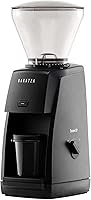
For less hand work, the Baratza Encore uses an AC adapter and has 40 settings with hardened alloy steel conical burrs. Its front pulse button and on/off switch suit a powered home setup.
Our manual vs electric coffee grinder comparison can help if effort and speed matter more to you than burr material.
What should you know about adjustment range?
Check whether the grinder can reach your brewing method's grind size before choosing by material. A wider set of adjustments can make it easier to move between methods, but the number of settings doesn't describe their exact spacing.
The C3S offers about 36 levels, and the Encore has 40 settings. The Hario mill's grind is adjusted with a knob, but a specific number of settings isn't given here.
For espresso, a grinder needs suitable fine adjustment and enough control to dial in a shot. For French press or cold brew, you need a usable coarse range and repeatable settings.
See our guide to espresso grinder vs coffee grinder differences if espresso is your main goal. For brewing outside espresso, compare your method with our French press grind size guide.
Does a higher setting count mean finer control?
Not by itself. Setting count doesn't show the distance between adjustments or the grind range they cover.
A grinder with fewer steps may still offer useful control if its range matches your brew method. Check whether the design allows the adjustment you need, and whether you can return to a setting after cleaning or changing beans.
Which is easier to clean and store?
Choose the grinder whose cleaning method and shape suit your counter and storage space. Ceramic doesn't rust, but that doesn't remove the need to clean the rest of the grinder.
Hario describes its Ceramic Coffee Mill as easy to clean, with parts that can be disassembled. It is slim and stores without its handle, which can help when cupboard space is limited.
The C3S is designed to come apart for cleaning with a brush. Its folding handle and compact body make it easier to pack than a larger countertop grinder.
The Encore is a powered countertop unit. Its 5.6 lb weight and 13.39 in height make it a different storage commitment from either hand grinder.
Follow each grinder's care instructions. Avoid washing burrs or internal parts unless the manual allows it, and dry parts as directed before reassembly.
Which should you choose for home brewing?
Pick ceramic if rust resistance and a small manual mill are your priorities; pick steel if you want a wider stated adjustment range or electric operation. Match the grinder to how you brew rather than expecting one material to suit everyone.
Choose the Hario when you make small batches and don't mind grinding by hand. Its 2-cup capacity and removable handle fit a compact routine.
Choose the C3S if you want hand grinding with about 36 adjustment levels and a folding handle. The Baratza Encore is the better fit when you prefer a powered grinder and want 40 settings across several brew methods.
For more options with steel burrs, browse our guide to manual coffee grinders with steel burrs. If you're deciding whether an upgrade makes sense, read is a burr grinder worth it?.
Ceramic vs stainless steel burr grinder: how do you decide?
Choose by power, adjustment and care first, then treat burr material as one part of the decision. Ceramic fits a compact hand mill; steel appears in both manual and powered options here.
Pick the Hario for small manual batches and rust resistant ceramic burrs. Pick the C3S for a folding hand grinder with about 36 adjustments, or the Encore for powered grinding and 40 settings.
If the best fit is still unclear, start with our burr grinder guide and compare your brew method with the grinder's stated range.
Frequently asked questions
Are ceramic or stainless steel burrs better?
Neither material is better for every coffee routine. Ceramic burrs suit a manual mill when rust resistance and slim storage matter; stainless steel burrs appear in both manual and powered options, including grinders with many adjustment settings.
Choose based on the grinder's controls, power and care needs too.
Do ceramic burrs rust?
Ceramic itself doesn't rust, and Hario describes its ceramic mill as rust resistant. The mill also contains other materials, including stainless steel and plastic, so follow its cleaning and drying instructions instead of treating the entire grinder as ceramic.
Do steel burrs make a better grind?
Burr material alone doesn't tell you how a grinder will perform. Burr shape, alignment, adjustment range and the rest of the grinder also matter.
Compare the stated settings and intended brew methods, then choose a grinder that can reach the grind size you need.
Can you use a ceramic burr grinder for espresso?
Some ceramic grinders may adjust fine enough for certain espresso setups, but the Hario mill's details here don't specify an espresso range. Check the exact grinder's adjustment range and your espresso maker's needs before choosing it; a grinder's burr material alone can't confirm compatibility.
Are steel burr grinders harder to clean?
Cleaning depends on the grinder's design and instructions, not just whether its burrs are steel. The Timemore C3S is designed to come apart for brush cleaning, while the Hario mill has disassembled parts for cleaning.
Check the manual before using water or cleaner near burrs.