Is a Burr Grinder Worth It for Home Coffee?
A burr grinder is worth it if you want more even grounds and control over grind size. It can help you get more consistent results than a blade grinder, especially when you adjust grind size for your brewing method.
On this page (7 sections)
- Is a burr grinder worth it compared with a blade grinder?
- What does grind consistency change in the cup?
- Who gets the most value from a burr grinder?
- Which burr grinder size and controls fit your routine?
- Which features are worth paying attention to?
- When is a burr grinder not worth it?
- How can you decide if a burr grinder is worth it for you?
A burr grinder is worth it for home coffee if you want more even grounds and control over grind size. Those qualities can make it easier to repeat a brew and adjust it for drip, pour over, French press, or other methods.
You may not need one if you drink coffee occasionally, buy it pre-ground, or are content with your current results. The value comes from matching the grind to your brewing routine, not from owning a particular kind of grinder.
Is a burr grinder worth it compared with a blade grinder?
A burr grinder is usually worth considering when consistency matters to you. Burrs crush beans into grounds, while a blade grinder chops them, which can leave a mix of fine particles and larger pieces.
That mix can extract unevenly during brewing. A more uniform grind gives you a better starting point for changing grind size, though it can't control every part of flavor.
If your current coffee tastes fine and you don't want another appliance, there may be no reason to switch. For an overview of burr types and features, read how burr grinders work and what to look for.
What does grind consistency change in the cup?
More even grounds can help water extract coffee more evenly. Very fine particles may extract faster than larger pieces, so a wide mix can contribute to a cup that tastes unbalanced.
Grind size is one adjustment you can make when a brew tastes too weak, harsh, or slow. The right change depends on the brewing method and your beans, so make small adjustments and keep the other steps steady.
For a starting point, see what grind size works best for pour over. If you already have a burr grinder, our step-by-step burr grinder guide explains how to set it up for a brew.
Is a burr grinder worth it if you brew only one way?
It can be worth it even if you use one brewing method, because repeatable grind size can help you make similar cups from day to day. You don't need dozens of settings if you rarely change how you brew.
A grinder with simple controls may suit drip coffee or a French press. If you want to change between methods, look for enough adjustment range to cover your usual recipes.
Who gets the most value from a burr grinder?
Daily coffee drinkers who grind whole beans and adjust their brew are most likely to benefit. A burr grinder fits especially well when you want to change grind size without replacing your coffee maker.
It may also suit households where people use different brew methods. A grinder with more adjustment options can make it easier to switch from a finer setting to a coarser one.
A burr grinder may be less useful if you make coffee only now and then, prefer pre-ground beans, or have little space for another appliance. Think about how often you will use it and where it will sit before comparing models.
Is a burr grinder worth it for espresso?
It may be, but espresso usually needs finer and more precise adjustment than basic drip brewing. Check whether a grinder's adjustment range suits your espresso setup before you buy.
A broad range of settings alone doesn't guarantee espresso performance. The grinder and espresso machine need to work well together, and you may need to adjust the grind as beans or brewing conditions change.
Which burr grinder size and controls fit your routine?
Choose capacity and controls based on how much coffee you make at once. A larger hopper can reduce refills, while a compact grinder may fit better in a small kitchen.
The OXO Brew Compact Conical Burr holds up to 50 grams of beans and offers 15 settings with 29 micro-adjustments. Its small footprint may suit a countertop with limited space.
The OXO Brew Conical Burr Grinder has a removable hopper that holds up to 12 ounces and a one-touch start that remembers the last setting. That larger capacity can suit a household that grinds more beans at a time.
If you want to compare more electric options, see best electric coffee grinders for home brewing. You can also compare manual and electric coffee grinders if counter space and effort matter.
Are manual burr grinders worth it?
A manual grinder can be worth it if you want to avoid another electric appliance. It takes effort to grind, so consider whether that extra step fits your morning routine.
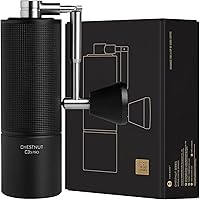
The KINGrinder K6 and Timemore C3 ESP Pro are compared in our guide to KINGrinder K6 vs Timemore C3 ESP Pro. For a broader set of options, see best manual coffee grinders with steel burrs.
Which features are worth paying attention to?
Prioritize grind adjustment, capacity, and cleaning before extra controls. Those features affect how well a grinder fits your brew method and daily routine.
- Adjustment range: Pick enough settings for your main brew method and any others you use.
- Capacity: Consider whether you grind one cup at a time or prepare several servings.
- Controls: A simple switch, pulse button, or remembered setting can make daily grinding easier.
- Cleaning access: Removable burrs or an easy-to-reach grind path can help with routine care.
- Counter space: Check the grinder's footprint and height against the place where you plan to keep it.
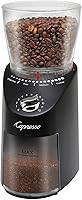
The Baratza Encore has 40 grind settings, a front-mounted pulse button, and an on/off switch. Its range can suit people who want one electric grinder for several brewing methods.
The Cuisinart Supreme Grind DBM-8 has 18 grind levels and a selector for 4 to 18 cups worth of grounds. Its larger batch selector may fit households that make several servings at once.
When is a burr grinder not worth it?
Skip a burr grinder if it won't improve a part of your routine that you care about. Pre-ground coffee can be convenient, and a blade grinder may be enough if you like the results and don't want to adjust grind size.
It can also be a poor fit if you don't have space to store or clean it. Before buying, consider whether you'll grind often enough to justify adding another step to coffee preparation.
A new grinder won't fix every brewing issue. Water temperature, coffee freshness, the amount of coffee, and brewing time all affect what ends up in your cup.
How can you decide if a burr grinder is worth it for you?
Choose a burr grinder if you grind coffee often and want more control or consistency; stay with your current setup if it already suits you. If you want a small electric option, compare the OXO Compact with your available counter space and typical batch size.
Pick the larger OXO Brew Conical Burr for a bigger hopper and a remembered setting, the Baratza Encore for a wider range of settings, or the Cuisinart Supreme Grind for its cup selector. Start with how to use a burr coffee grinder to get more from whichever model you choose.
Frequently asked questions
Is a burr grinder better than a blade grinder?
A burr grinder is usually a better choice when you want grounds of a more even size and control over how fine or coarse they are. Blade grinders chop beans, which can leave a mix of particle sizes.
If you brew the same way each day and prefer convenience, pre-ground coffee may be enough.
Does a burr grinder make coffee taste better?
A burr grinder can help you brew a more balanced cup by producing grounds that are closer in size. The taste still depends on the beans, water, brewing method, and grind setting, so a grinder can't guarantee a better cup on its own.
Adjusting the grind can help you find a result you prefer.
Is an electric burr grinder worth it for one person?
It can be, especially if you make coffee daily and value quick, repeatable grinding. A small-capacity grinder may suit one or two cups, while a hand grinder can take less counter space.
If you rarely brew coffee or don't mind buying grounds, the added grinder may not be useful.
How much should I spend on a burr grinder?
Choose a grinder that fits your brewing habits, counter space, and need for adjustments rather than starting with a price target. Compare burr type, grind settings, capacity, and cleaning needs.
A basic model may cover drip coffee, while espresso often calls for more precise adjustment and a grinder suited to that method.