Manual vs Electric Coffee Grinder: Which Fits You? (November 2026)
Choose a manual grinder for portability and quiet, manual grinding; choose an electric grinder for speed and less effort. Your brew method, batch size and counter space help settle the manual vs electric coffee grinder choice.
On this page (8 sections)
- Manual vs electric coffee grinder: which suits your routine?
- How much effort does each grinder take?
- Which grinder is easier to take along?
- Which gives you more grind adjustment?
- What about cleaning and storage?
- Do manual or electric grinders make better coffee?
- Which manual and electric grinders fit these needs?
- How should you decide between manual and electric?
Your brew method, batch size and kitchen space matter more than the power source alone.
A manual grinder uses a crank, so you supply the effort. An electric grinder does the work with a motor and can make repeated daily grinding simpler.
This comparison looks at capacity, adjustment, portability and routine. For more options, compare our guides to manual coffee grinders and electric coffee grinders.


Manual vs electric coffee grinder: which suits your routine?
Choose manual if you grind one or two small batches and want a portable tool; choose electric if you value push-button grinding at home. Think about the effort you want to spend each morning and how much coffee you prepare at once.
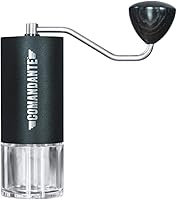
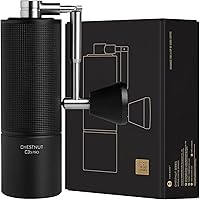
A hand grinder has a crank to turn for each batch. The Timemore C3S Pro holds 25 g, while the KINGrinder K6 holds 30 g.
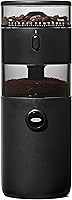
The OXO Brew electric grinder has a 12 oz hopper and one-touch start that remembers its last setting. That setup can suit a household that wants to keep beans in the hopper and repeat a familiar routine.
A larger hopper doesn't tell you how much coffee to grind for each brew. Measure beans for your recipe, then consider whether grinding a fresh small amount or storing more beans in the grinder fits your habits.
How much effort does each grinder take?
That difference is most noticeable when you grind several doses or brew for multiple people.
The Timemore C3S Pro has a bearing that lets its handle keep turning briefly when released, and its maker describes the grinding action as requiring little force. The KINGrinder K6 uses a straight handle and a dual-bearing design.
Neither detail removes the work of turning a manual grinder. If repetitive hand movement is uncomfortable or inconvenient, an electric grinder is likely the easier fit.
Is manual grinding practical every day?
Manual grinding can work well each day if you don't mind turning the crank for your usual dose. A compact hand grinder also keeps the routine simple when you don't want another appliance on the counter.
The Timemore's 25 g capacity may suit a single brew, depending on your recipe. The KINGrinder's 30 g capacity gives you a little more room per batch.
If you routinely make several cups, consider how many batches you'll need. Our guide on how to use a manual coffee grinder explains the basic steps and adjustment process.
When does electric make more sense?
Electric suits a routine where pressing a button matters more than portability or avoiding motor noise. The OXO starts with one touch and remembers its last setting, which can simplify repeat use.
Its 12 oz hopper holds more beans than either manual grinder's stated capacity. That can reduce how often you refill the hopper, though you can still measure a smaller dose for each brew.
If you want an overview of burr design and other buying factors, start with how burr grinders work. A burr grinder can be manual or electric, so the burr type and power source are separate choices.
Which grinder is easier to take along?
Manual grinders are the practical travel choice when you don't have reliable power. Both hand grinders here have compact bodies and are described for travel or outdoor use.
The Timemore weighs 430 g and has a foldable handle. The KINGrinder weighs 630 g, has a 30 g capacity and can be dismantled by hand for brush cleaning.
An electric grinder needs a suitable power connection and more room for its body. The OXO measures 7.5 x 5.3 x 12.9 in, so check your counter and storage space before choosing it.
For camping, weigh the amount of coffee you need against the grinder's capacity. A lighter grinder can be easier to pack, while a larger batch capacity can save repeated grinding.
Which gives you more grind adjustment?
The right adjustment system depends on whether you prefer marked settings or finer click-by-click control. Compare the range and the way you'll make changes for your brew method.
The OXO has 15 grind settings plus 43 micro-adjustments. Its range is described for methods from espresso to French press and cold brew.
The Timemore offers about 36 levels, adjusted with a nut. The KINGrinder has external adjustment with 60 clicks per rotation, up to 4 rotations, and its manufacturer specifies 16 microns per click.
Those counts aren't directly comparable across different grinder designs. A higher number of clicks doesn't by itself prove that a grinder will suit your recipe better.
Can either type work for espresso?
Both powered and manual grinders can be used for fine grinding, but the adjustment range must match your espresso setup. Check the exact grinder's guidance and make small changes while dialing in.
The OXO's stated settings include fine for espresso. The KINGrinder is described for various methods, including espresso, and provides external adjustment.
If espresso is your main brew, consider the workflow alongside grind settings. Our guide to hand grinders for espresso can help narrow the manual options.
A grinder that reaches a fine setting may still require adjustment to suit your beans and espresso machine. Don't assume that the same number or setting transfers between grinder models.
What about cleaning and storage?
A manual grinder usually takes less counter space, while an electric model may keep more beans ready in its hopper. Think about where the grinder will live and how you'll clean it.
The Timemore's foldable handle helps with storage. The KINGrinder can be dismantled by hand and cleaned with a brush; its care guidance says not to wash it with water.
The OXO has a removable 12 oz hopper. Its larger body may suit a permanent counter spot better than a small travel bag.
Follow the manufacturer's care instructions for whichever grinder you choose. Don't use water on the KINGrinder, and use a brush for its internal cleaning.
Do manual or electric grinders make better coffee?
Neither power source guarantees better coffee; grind consistency, a suitable setting and a repeatable recipe all matter. Choose a burr grinder and adjust it to the brewing method you're using.
The OXO has 40 mm stainless steel conical burrs. The Timemore uses an S2C660 conical burr, and the KINGrinder has a stainless steel burr set.
Burr design differs, so don't compare grinders from material alone. For a clearer starting point, read whether a burr grinder is worth it.
Once you have a grinder, keep the dose, water and brew method steady while you adjust grind size. A change in grind can affect extraction, but it isn't the only part of the recipe.
Which manual and electric grinders fit these needs?
Choose the Timemore for a lighter travel setup, the OXO for push-button home grinding, or the KINGrinder for a larger manual dose and external adjustment. Each solves a different routine problem.
How should you decide between manual and electric?
Pick manual if portability, low storage needs or avoiding a motor fits your routine; pick electric if you want faster, easier repeat grinding at home. Then check capacity and adjustment against the way you brew.
For a compact travel grinder, the Timemore Chestnut C3S Pro combines a 25 g capacity with a foldable handle. For home convenience, the OXO Brew has a 12 oz hopper and remembers its last setting.
If you want a manual grinder with a 30 g capacity and 60 clicks per rotation, consider the KINGrinder K6. Your best fit is the one whose effort, batch size and adjustment suit the coffee you make most often.
Frequently asked questions
Is a manual coffee grinder better than an electric one?
A manual grinder is better when portability, compact storage or avoiding an electric motor matters most. An electric grinder is better for quick repeat grinding and larger batches with less hand effort.
Compare capacity, adjustment and your daily routine before choosing.
Does a manual coffee grinder take longer?
Manual grinding includes time spent turning the handle, so it takes more active effort than pushing a button. The exact time depends on beans, grind size and the amount you make.
A smaller capacity can also mean grinding more than one batch for several cups.
Can a manual grinder grind fine enough for espresso?
Some manual grinders support fine settings. The KINGrinder K6 has external adjustment with 60 clicks per rotation, while the Timemore C3S Pro offers about 36 levels.
Check whether a grinder's adjustment range suits your espresso setup, since a suitable grinder setting alone doesn't ensure a good shot.
Are manual coffee grinders quieter?
A manual grinder has no electric motor, so it avoids motor noise, though the burrs and beans still make sound. An electric grinder adds motor noise during operation.
If noise matters, consider when you grind and whether a few seconds of sound or more hand effort fits your routine.
Which type is easier to travel with?
A manual grinder is usually easier to pack because it doesn't need a power connection. The Timemore C3S Pro weighs 430 g and has a foldable handle; the KINGrinder K6 weighs 630 g.
Check your bag space and how much coffee you need to grind.