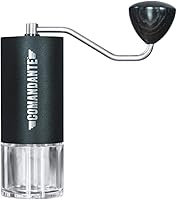
How to Use a Manual Coffee Grinder
To use a manual coffee grinder, set the grind size, add whole beans, and turn the handle steadily until the grounds fall into the catch cup. Start with your brew method’s recommended grind, then adjust finer or coarser to suit the result.
On this page (8 sections)
- How do you use a manual coffee grinder step by step?
- How should you choose the grind setting?
- How much coffee should you put in a hand grinder?
- How do you hold and turn a manual coffee grinder?
- Why are the grounds uneven or hard to grind?
- How should you empty and clean a manual coffee grinder?
- How do you choose a manual grinder for your routine?
- What is the best way to use a manual coffee grinder?
To use a manual coffee grinder, set the grind size, add whole beans, and turn the handle steadily until the grounds fall into the catch cup. Start with a setting suited to your brew method, then adjust based on how the coffee tastes and brews.
A hand grinder needs a few steps: choose a setting, measure your beans, grind, and transfer the grounds to your brewer. The exact adjustment direction and starting point vary by grinder, so check its instructions before turning the adjustment ring or dial.
How do you use a manual coffee grinder step by step?
Set the grind size, add beans, secure the handle, and turn it at a steady pace. Then empty the grounds into your brewer and adjust the setting next time if the brew needs a change.
- Check the grinder’s instructions and set a starting grind size.
- Measure whole beans for your brew and put them in the hopper.
- Fit the lid and handle, if your grinder has them.
- Hold the grinder steady and turn the handle until the beans are ground.
- Empty the catch cup and brew with the grounds promptly.
Keep the grinder upright while you work. A steady turn is easier to control than a fast, uneven crank.
For help choosing a starting point, see what grind size works best for pour over. If you want a broader overview of the grinding mechanism, read burr grinders explained.
How should you choose the grind setting?
Match the grind size to your brewing method, then make small adjustments. Coarser grounds are commonly used for immersion methods, while pour over and espresso need settings suited to their own brew process.
Grinders use different adjustment systems, so there isn’t one universal click count or number of turns. Begin with the manufacturer’s guide when available, and note the setting that produced a brew you liked.
If coffee tastes weak or runs through too quickly, try a finer setting next time. If it tastes harsh or brews too slowly, try a coarser setting; change only one variable at a time so you can tell what helped.
What grind size should you use for a manual grinder?
Choose the grind size for the brewer, not for the hand grinder itself. A manual grinder can make grounds for different methods, but its adjustment range and design affect how precisely it can handle each one.
For a French press, start with a coarse grind and see what grind size works best in a French press. For espresso, check that the grinder supports fine adjustments and can grind consistently enough for your setup.
How much coffee should you put in a hand grinder?
Measure the amount of beans your recipe calls for, and stay within the grinder’s capacity. A scale can help you repeat the same dose from brew to brew.
Avoid filling the hopper beyond its stated capacity. If you need more coffee than fits at once, grind in batches and empty the cup between them.
The Timemore Chestnut C3S Pro has a 25 g capacity and a foldable handle. It suits someone who wants a compact hand grinder for home or travel.
How do you hold and turn a manual coffee grinder?
Keep the grinder stable and turn the handle in a smooth, even motion. Hold the body securely without covering the adjustment mechanism or tipping the grinder as you crank.
If the handle feels difficult to turn, slow down and check whether the setting is very fine or a bean is caught. Don’t force the handle or the adjustment ring; follow the grinder’s instructions for clearing or changing settings.
The KINGrinder K6 has an external adjustment design and a straight handle. That can suit readers who want to change settings without adjusting from inside the grinder.
Why are the grounds uneven or hard to grind?
Check the setting, dose, and handle movement before changing several things at once. Beans may grind unevenly if the setting doesn’t suit the brew, the handle is turning inconsistently, or the grinder needs cleaning.
If the handle suddenly becomes hard to turn, stop and consult the manual. Don’t grind unroasted beans or grind other ingredients in a coffee grinder; KINGrinder advises using its grinder for coffee beans only.
Static can make grounds cling to the catch cup or surrounding surfaces. For ways to reduce that mess, see our guide to fixing static in a coffee grinder.
How should you empty and clean a manual coffee grinder?
Empty the catch cup after grinding and brush away loose grounds as the grinder’s instructions allow. Keep the burr area dry unless the manufacturer specifically says a part can be washed.
The Timemore Chestnut C2S is described as easy to disassemble for brush cleaning. It may suit someone who wants a hand grinder they can take apart for routine cleaning.
Brush gently around the burrs and avoid forcing parts apart. If you disassemble the grinder, follow its manual so you can put it back together correctly.
How do you choose a manual grinder for your routine?
Choose based on the brew methods you make, the adjustment style you prefer, and how much coffee you grind at once. A compact grinder can suit travel, while a wider adjustment range may help if you switch between brewing methods.
The best manual coffee grinders with steel burrs guide compares options for different routines. If you mainly brew espresso by hand, see the best hand grinders for espresso at home.
What is the best way to use a manual coffee grinder?
For a consistent routine, start with the brewer’s grind needs, use a measured dose, and turn the handle steadily. Keep a note of settings you like, and make small adjustments when the coffee tastes or brews differently than you want.
Choose a grinder by how you’ll use it: the C3S Pro has a foldable handle, the K6 has external adjustment, and the C2S is designed for brush cleaning. Read the grinder’s instructions for its setting directions and care.
Frequently asked questions
How do you adjust a manual coffee grinder?
Use the adjustment mechanism to move finer or coarser, following the grinder’s directions. Some grinders adjust from the base; others have an external adjustment ring.
Make small changes, keep track of the setting that works for your brew, and avoid forcing the mechanism.
Do you put coffee beans in before adjusting a hand grinder?
Set the grind size before adding beans when the grinder’s instructions recommend it. This avoids turning the adjustment mechanism against beans already caught between the burrs.
If you’re unsure, check the grinder manual and turn the adjustment gently.
How long does it take to grind coffee by hand?
It depends on the grinder, grind setting, dose, and how steadily you turn the handle. A finer setting can take more effort than a coarser one.
Grind until the beans have passed through and check the catch cup before brewing.
How should you clean a manual coffee grinder?
Empty the grounds and use a dry brush to remove coffee residue from the burr area and catch cup. Follow the grinder’s instructions before disassembly, and don’t wash parts with water unless the manufacturer says they’re safe to wash and fully dry.