How to Use a Burr Coffee Grinder, Step by Step
To use a burr coffee grinder, choose a grind size for your brew method, add only the beans you need, and grind before brewing. Taste the coffee and adjust the setting a little at a time.
On this page (7 sections)
To use a burr coffee grinder, choose a grind size for your brew method, add only the beans you need, and grind before brewing. Taste the coffee and adjust the setting a little at a time.
A steady routine makes it easier to repeat a cup: set the grinder, measure beans, grind, and brew. Your grinder's manual is the best source for how to operate its controls and clean its parts.
How do you use a burr coffee grinder step by step?
Set the grind size, measure whole beans, grind them, and brew right away. Keep your coffee dose and brewing recipe consistent while you learn how each setting affects the cup.
- Choose a starting grind size for your brew method.
- Measure the whole beans for one batch.
- Check that the grounds container is in place.
- Start the grinder according to its instructions.
- Move the grounds to your brewer and brew.
- Taste the coffee, then adjust the grind for the next batch if needed.
If your grinder has separate grind and timer controls, set both before starting. Avoid reaching near the burrs while the grinder is plugged in or running.
What grind size should you choose?
Use a setting suited to your brewing method, then fine-tune it by taste. Coarse grinds are commonly used for French press and cold brew, while espresso generally calls for a fine grind.
Grinders use different numbers, labels, and adjustment ranges, so there isn't one universal setting. Start with the manufacturer's guidance for your method instead of copying a number from another grinder.
For a press pot, see what grind size works best in a French press. For a dripper, use our guide to choosing a pour-over grind size.
How should you adjust a burr grinder?
Change one setting at a time and compare the next cup. If the coffee tastes too weak or sour for your recipe, try a finer setting; if it tastes too bitter or harsh, try a coarser setting.
Keep the bean amount, water amount, and brew time steady while adjusting. Changing several things at once makes it harder to tell which change affected the result.
Some grinders require you to adjust while the burrs are moving, while others have different instructions. Follow the manual to avoid forcing the adjustment mechanism.
How much coffee should you grind?
Grind the amount your recipe calls for, rather than filling the hopper by default. Weighing beans gives you a repeatable dose, but a measuring scoop can work if you use it the same way each time.
Beans can be measured before grinding or weighed as grounds afterward. Choose one method and keep it consistent so you can compare results from one brew to the next.
The OXO Brew Conical Burr Grinder has a one-touch start that remembers its last setting, which can make a repeated routine simpler. Its hopper holds up to 12 oz of beans.
How do you prevent common grinding problems?
Use dry beans, keep the grounds container in place, and don't force a stuck adjustment. If the grinder stops or sounds unusual, switch it off and check the manual before clearing anything.
Grounds can cling to a container because of static. Tap the container gently over your brewer, and avoid touching moving burrs or using water on parts the manual says to keep dry.
If grounds are sticking around the grinder, see our practical coffee grinder static fix. If the grinder won't start or stops mid-cycle, follow what to check when a coffee grinder isn't working.
Can you change the grind setting with beans inside?
Check your grinder's manual before changing settings with beans in the hopper. Some mechanisms may be easier to adjust while running, but operating instructions differ by model.
Don't push the dial past its stops or force a change that feels stuck. Emptying the hopper first can help when you need to clean or inspect the grinder, if the manual allows it.
How do you clean a burr grinder after use?
Unplug the grinder and clean it as its maker directs. A dry brush can help remove loose grounds, but only remove burrs or containers if the manual explains how.
Don't pour water into the grinder or wash electrical parts. Removable containers may have their own cleaning instructions, so check before rinsing them.
Clean the grinder when old grounds collect or you switch beans and want to limit leftover particles. Reassemble all parts securely before plugging it back in.
Which burr grinder features can make the routine easier?
A grinder with clear settings and a simple start control can make daily use easier. Match the controls and capacity to how you brew, and check the manual for cleaning and adjustment steps.
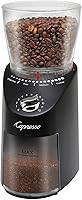
The Capresso Infinity Plus has 16 grind settings, from extra fine to very coarse, and a removable ground coffee container that holds up to 4 oz. Its pulse grinding feature offers another way to control grinding.
The Bodum Bistro has a preset timer, a quick grind button, and more than 14 settings. Its borosilicate glass ground coffee container is designed to reduce static cling.
For a broader explanation of burr types and choosing a grinder, read burr grinders explained. If you prefer to turn the handle yourself, see how to use a manual coffee grinder.
What is the easiest routine to repeat?
Use the same dose and brew recipe, then adjust only the grind setting when the cup needs it. This keeps each change easy to track.
Start with the grinder maker's suggested setting for your method. Keep the beans sealed between uses, grind shortly before brewing, and clean the grinder according to its manual.
Choose a simple grinder routine if you want repeatable cups with few adjustments. To decide whether this kind of grinder fits your kitchen, read whether a burr grinder is worth it for home coffee.
Frequently asked questions
What grind setting should I use on a burr grinder?
Start with the setting your grinder manual recommends for your brew method, then adjust based on taste. A finer grind can extract more quickly, while a coarser grind extracts more slowly.
Change one step at a time and keep your dose and brewing method steady as you compare cups.
Should I grind coffee beans right before brewing?
Yes, grinding just before brewing helps limit the time ground coffee is exposed to air. Measure the beans you need, grind them, and brew soon after.
If you grind extra, store it in an airtight container away from heat, light, and moisture.
How much coffee should I put in a burr grinder?
Grind the amount of whole beans you need for your brew, using your recipe or coffee maker's guidance. Avoid filling the hopper just because it has room; beans you won't use soon are better kept sealed.
Check the grinder manual for any capacity limits.
How do you clean a burr coffee grinder?
Unplug the grinder and follow its manual for removing parts and brushing away dry grounds. Don't rinse burrs or electrical parts unless the maker says they are washable.
Clean more often if you switch beans or notice old grounds affecting the coffee's smell or taste.