What Is a Conical Burr Coffee Grinder?
A conical burr coffee grinder grinds beans between a spinning cone-shaped burr and a fixed ring burr around it. The gap between the two sets the grind size, so the grounds come out more even than a blade grinder makes.
On this page (10 sections)
- What is a conical burr coffee grinder and how does it work?
- How is a conical burr grinder different from a blade grinder?
- What does a conical burr grinder do to the taste of your coffee?
- What grind settings does a conical burr grinder give you?
- Should you choose a conical burr grinder or a flat burr grinder?
- Do you need a conical burr grinder for espresso?
- How do you use and care for a conical burr grinder?
- Which conical burr grinders are worth a look?
- What should you check before you buy a conical burr grinder?
- What is a conical burr coffee grinder, in the end?
A conical burr coffee grinder grinds beans between a spinning cone-shaped burr and a fixed ring burr around it. The gap between the two sets the grind size, so the grounds come out more even than a blade grinder makes.
That evenness is the whole point. Uneven grounds brew at different rates, so you get sour and bitter notes in the same cup.
A conical burr grinder fixes that by crushing each bean to a similar size.
What is a conical burr coffee grinder and how does it work?
A conical burr grinder is a mill with two burrs: a cone that spins and a ring that stays put. Beans feed down between them and get crushed rather than chopped.
The cone sits vertically inside the ring. As the cone turns, beans fall into the gap and are crushed as the gap narrows toward the bottom.
Turning the adjustment ring or dial raises or lowers the cone, which widens or tightens that gap.
A tighter gap makes finer grounds for espresso. A wider gap makes coarser grounds for drip, pour-over or French press.
The slow crushing action also keeps heat low, so the grounds don't get scorched on the way through.
The cone and ring are usually steel. Hardened alloy steel holds an edge longer, while some budget models use coated steel that wears faster.
The burr material is the main thing to check on any grinder.
How is a conical burr grinder different from a blade grinder?
A blade grinder chops beans with a spinning blade, so the grounds come out uneven. A conical burr grinder crushes them to a set size instead.
A blade grinder works like a tiny food processor. Hold the button longer and the grounds get finer, but some pieces stay chunky while others turn to dust.
That mix is why blade-ground coffee often tastes muddy.
A conical burr grinder gives you a setting you can repeat. The same dial position produces close to the same grind each time, so you can tune a recipe and keep it.
You also get a full range from fine to coarse without guesswork.
If you're deciding whether the upgrade pays off for your habits, our guide to whether a burr grinder is worth it lays out the cases where it does.
What does a conical burr grinder do to the taste of your coffee?
It makes the cup cleaner and more balanced, because even grounds extract at a similar rate. You taste the coffee's own flavors instead of a mix of under- and over-extracted notes.
When grounds are uneven, hot water pulls flavor from the fine dust almost at once and from the big chunks slowly. The result is a cup that tastes both sharp and bitter.
Even grounds let you hit one extraction level across the whole dose.
The change shows up most in light-roast coffee and in espresso. A light roast has delicate fruit and floral notes that uneven extraction flattens.
Espresso needs a tight, even bed in the portafilter so water flows through at a steady pressure.
Conical burrs also produce fewer fines than some flat burr designs, which some drinkers prefer for pour-over and drip. It's a matter of taste rather than a strict rule, so try both if you can.
What grind settings does a conical burr grinder give you?
Most conical burr grinders offer a wide range from fine espresso to coarse cold brew. The settings adjust the burr gap in small steps, so you can dial in a method and repeat it.
The Breville Smart Grinder Pro has 60 settings, which gives you plenty of room to move between espresso and French press. The OXO Brew Conical Burr Grinder has 15 settings plus 43 micro-adjustments for finer tuning.
The Baratza Encore has 40 settings across the brew methods most people use.
More settings don't always mean a better grinder. What matters is whether the grinder can hold a setting steady and repeat it.
A wide range with a wobbly adjustment is less useful than a smaller range that stays put.
If you mostly brew one method, a grinder with a narrow but precise range can be the better buy. If you switch between espresso and drip during the week, a wider dial saves you from fighting the adjustment.
Should you choose a conical burr grinder or a flat burr grinder?
Conical burrs crush beans between a cone and a ring, while flat burrs grind between two flat discs. Both make even grounds, so the choice comes down to the flavor profile and the grinder's design.
Conical burrs tend to produce a slightly broader particle spread. Many drinkers describe the cup as rounder and fuller, which suits espresso and milk drinks well.
Flat burrs usually give a tighter spread and a brighter, more separated flavor, which some pour-over fans prefer.
Conical grinders are also simpler to build at home scale and often cost less for the same quality. Flat burr grinders can run hotter and need more powerful motors, which usually pushes the price up.
Neither type is strictly better. Pick conical for an easier, more forgiving grind and a fuller cup.
Pick flat if you chase clarity and don't mind the cost. Our roundup of the best conical burr coffee grinders for espresso covers the models built for that fine setting.
Do you need a conical burr grinder for espresso?
Yes, if you want consistent espresso. Espresso pushes water through a packed puck of fine grounds at high pressure, so an uneven grind causes channeling and a sour or bitter shot.
A conical burr grinder reaches the fine setting espresso needs and keeps the particles close in size. That even bed lets water flow through at a steady rate.
A blade grinder leaves too many fines and chunks, so the shot pulls unevenly.
Fine adjustments matter more for espresso than for any other method. A small change in the burr gap can shift the shot time by several seconds.
That's why grinders aimed at espresso offer micro-adjustments and hold their setting well.
If espresso is your main brew, spend more on the grinder than on the machine. A modest espresso machine with a good conical burr grinder makes better shots than the reverse.
How do you use and care for a conical burr grinder?
Set the grind before you add beans, grind only what you need, and clean the burrs regularly. These three habits keep the grind even and the burrs sharp.
Start with the grind setting and then add beans. Running the grinder empty while you turn the dial is fine on most models.
Check the maker's steps for your specific grinder before you change settings with beans in the hopper.
Grind close to brew time so the grounds stay fresh. A conical burr grinder holds beans in a hopper, but the ground coffee loses aroma within minutes.
Weigh the dose you need and grind it just before you brew.
Clean the burr chamber every few weeks to remove old grounds and oils. A stiff brush and a dry cloth handle most of it.
Follow the maker's steps for removing the cone and ring so you don't misalign them when you put them back. Our guide to how to use a burr coffee grinder walks through the daily routine and the cleaning steps in order.
Which conical burr grinders are worth a look?
The Breville Smart Grinder Pro is the most flexible of the three for households that switch between espresso and drip. The OXO Brew is the simpler one-touch option, and the Baratza Encore is the entry-level pick with 40mm commercial-grade burrs.
The Breville Smart Grinder Pro has 60 grind settings and precision digital time that adjusts in 0.2 second steps. It grinds straight into a portafilter, an airtight container or a filter basket.
Breville includes two portafilter cradles and a cleaning brush. It's the pick for someone who wants one grinder for espresso and French press.
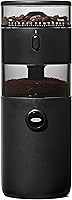
The OXO Brew Conical Burr Grinder uses 40mm stainless steel conical burrs and offers 15 grind settings plus 43 micro-adjustments. Its one-touch start remembers your last setting, and the removable hopper holds up to 12 ounces of beans.
It's the pick for someone who wants a simple push-to-grind routine.
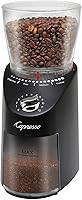
The Baratza Encore runs 40mm commercial-grade conical burrs with 40 grind settings. A front-mounted pulse button and a simple on/off switch keep the controls basic.
Baratza backs it with a 1 year warranty. It's the pick for a first burr grinder that covers espresso, pour-over and French press.
Our score weighs specs, features and buyer feedback against what you're shopping for.
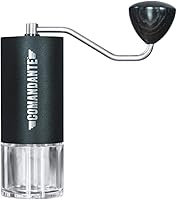
If you'd rather grind by hand, our roundup of manual coffee grinders covers steel-burr models that cost less and take up little counter space.
What should you check before you buy a conical burr grinder?
Check the burr material, the grind range and how you'll adjust the setting. These three details decide whether the grinder suits your brew method.
Burr material comes first. Hardened steel or commercial-grade alloy burrs hold their edge longer than coated steel.
The Baratza Encore and OXO Brew both use steel conical burrs, which is a good sign at their price level.
Grind range comes next. If you brew espresso, confirm the grinder reaches a fine enough setting and offers small adjustment steps.
The Breville's 60 settings and the OXO's micro-adjustments both help here. For drip and French press only, a simpler range is enough.
Then look at the controls. A timed dose, like the Breville's digital timer, helps you repeat the same amount each morning.
A one-touch start, like the OXO's, suits someone who wants fewer choices. A basic pulse button, like the Encore's, is easy to live with.
Finally, match the size to your counter. A tall grinder with a large hopper takes more space, while a compact one fits a small kitchen.
What is a conical burr coffee grinder, in the end?
It's the grinder type that gives you even grounds across every brew method, and that evenness is what makes the upgrade worthwhile. Pick a conical burr grinder if you want repeatable settings and a cleaner cup.
Start with the Breville Smart Grinder Pro if you brew espresso and drip and want the widest range. Choose the OXO Brew for a simple one-touch routine.
Go with the Baratza Encore for a first grinder with basic controls and commercial-grade burrs.
Clean the burrs regularly and grind close to brew time to get the most from any of them. For the daily routine, keep our burr grinder usage guide handy.
If you're still weighing the cost, read is a burr grinder worth it before you decide.
Frequently asked questions
Is a conical burr grinder better than a blade grinder?
Yes, for flavor. A blade grinder chops beans into uneven chunks and dust, so some grounds extract fast and some barely extract at all.
A conical burr grinder crushes each bean to a similar size, which gives you a cleaner, more even cup.
How long do conical burrs last?
Conical steel burrs in a home grinder often run for years of daily use, though the exact life depends on how much you grind and how hard the beans are. Follow the maker's cleaning steps and the burrs keep their edge far longer than a blade grinder stays sharp.
Can a conical burr grinder grind coarse enough for French press?
Yes. Most conical burr grinders offer a wide range from fine espresso to coarse French press and cold brew.
The grinder's settings dial or hopper ring adjusts the gap, so you can move between methods without changing equipment.
Does a conical burr grinder make a big noise?
It runs at low speed and makes a steady hum rather than the high whine of a blade grinder. Most models are no louder than a typical kitchen appliance, though the pitch varies by brand and motor size.
Are conical burr grinders expensive to own?
They cost more up front than a blade grinder, but the steel burrs last a long time and need only occasional cleaning. The long life is what makes the upfront cost worth it for daily coffee drinkers.