Can You Use a Coffee Grinder for Spices?
Yes, you can use a coffee grinder for spices. A blade grinder works best, because the spinning stainless steel blade chops cumin, peppercorns, cinnamon and dried chilies quickly. A burr grinder can grind spices too, but you'll need a separate one if you want coffee that never tastes of cumin.
On this page (8 sections)
- Can I use coffee grinder for spices, or is a burr grinder better?
- Which spices grind well in a coffee grinder?
- Which spices should stay out of a coffee grinder?
- How do you grind spices without overheating them?
- Can you use a manual grinder for spices?
- How do you clean a coffee grinder after spices?
- Will spice residue affect coffee flavor?
- Which grinder should you pick for coffee and spices?
Yes, you can use a coffee grinder for spices. A blade grinder works best, because the spinning stainless steel blade chops cumin, peppercorns, cinnamon and dried chilies quickly.
A burr grinder can grind spices too, but you'll want a separate one if you want coffee that never tastes of cumin.
The answer depends on two things: the grinder you own and the spice you want to grind. This guide covers both, plus how to clean the grinder so your next cup of coffee doesn't taste like chili.
Can I use coffee grinder for spices, or is a burr grinder better?
A blade grinder is the better tool for spices, and a burr grinder is the better tool for coffee. Blade grinders chop, which suits spices, and burr grinders crush beans evenly, which suits coffee.
Blade grinders spin a flat stainless steel blade at high speed. That action turns whole cumin, coriander and peppercorns into powder in a few seconds, and it handles small batches well.
The blade sits in a bowl that you can wipe out easily between batches, which matters when you switch from chili to coffee.
Burr grinders pass the material between two cutting surfaces. That gives an even particle size for coffee, but spice dust settles into the burrs and the chute, which is harder to clean out.
Spice oils also cling to the burr surfaces, and the coffee that follows picks up the smell.
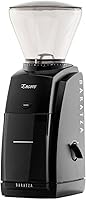
If you already own a burr grinder, you can still grind spices in it. Read how to use a burr coffee grinder for the basics, and keep a cheap blade grinder for the spice shelf.
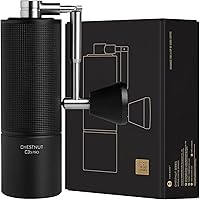
A hand burr grinder is the exception, because you can brush its burrs clean in under a minute.
Which spices grind well in a coffee grinder?
Whole dry spices are the best fit. Cumin seeds, black peppercorns, coriander seeds, cardamom pods, cloves, cinnamon pieces, dried chilies and fennel seeds all grind fast in a blade grinder.
Small, hard seeds work best because the blade can break them down quickly. Pulse in 1-second bursts and shake the grinder between pulses so the powder moves toward the blade.
Cardamom pods are a good example: the husk cracks and the dark seeds inside release their oil in a few pulses.
Cinnamon sticks and dried chilies need a little more time. Break cinnamon into short pieces and tear chilies first, then pulse until you get the texture you want.
A 200W motor gives you more headroom on these harder pieces than a 150W motor does.
Light, leafy herbs like dried oregano also work, but they turn to powder fast. Add them last and pulse once or twice.
Salt is a different case. Coarse salt can dull a stainless blade over time, so use a dedicated salt mill instead.
Which spices should stay out of a coffee grinder?
Keep anything wet, oily or sticky out of the grinder. Fresh ginger, garlic, citrus peel and oily seeds coat the bowl and blade, and the residue taints the next batch.
Wet ingredients also clump against the bowl wall, so the blade spins without cutting them evenly.
Whole nutmeg is very hard and can strain a light-duty grinder. Grate it on a fine grater instead, or crack it first if you want to grind it.
The same advice applies to very hard seeds and woody bark.
Very small amounts are also a waste. A single star anise or two cloves won't get enough blade contact to grind evenly, so batch your spices or use a mortar.
A blade grinder needs enough material in the bowl to keep the pieces moving.
If you grind a lot of hard spices, check the grinder's wattage before you push it. A 150W motor handles peppercorns and cumin fine, but a large batch of cinnamon bark will take longer.
How do you grind spices without overheating them?
Grind in short pulses, not one long run. Heat from the blade drives off the volatile oils that give spices their smell, so the faster you finish, the better the flavor.
The same oils that make cumin smell strong are the ones a hot blade cooks away.
Start with a 5-second pulse, shake, then pulse again. Stop when the powder looks even.
A 30-second continuous run can warm the bowl and dull the aroma of cumin or coriander. If the bowl feels warm to the touch, stop and let it cool before the next pulse.
Work in small batches. A 2-tablespoon batch grinds more evenly than a full bowl, and the blade spins more freely.
A 3 oz bowl holds about 12 cups of coffee worth of beans, but for spices you want to fill it only partway.
For a consistent texture in baking, pulse and then sift the powder. Bigger bits go back for another pulse.
The KRUPS grinder has a 3 oz hopper that grinds up to 12 cups of coffee, so it holds a decent spice batch too. Press and hold the button to control the grind consistency.
That one-touch hold is the whole technique with a blade grinder: you watch the powder through the lid and let go when it looks right.
Can you use a manual grinder for spices?
Yes. A hand grinder handles dry spices well, and it's often the cleaner option for a shared kitchen.
There's no motor to protect, and you can brush out the burrs after each batch. The slow turning also adds almost no heat, so delicate spices keep more of their aroma.
Read how to use a manual coffee grinder first, because the technique is the same. Set a medium setting, add whole spices, and turn steadily.
Small hand grinders hold 20 to 60 grams, which is plenty for a spice jar. Steady, even turning beats speed here, because a jerky motion makes an uneven grind.
Cleaning is the reason people pick a hand grinder for spices. A dry brush lifts powder from the burrs, and the grinder can be wiped out without water.
You can also grind a few grains of rice through it to scrub the burrs, then tip the rice out.
If you want one tool for coffee and spice, a hand grinder is easier to keep clean than an electric burr grinder.
How do you clean a coffee grinder after spices?
Wipe, then grind rice. A dry paper towel lifts most of the powder, and a small handful of raw rice scrubs the blade and bowl clean.
This works for blade grinders and hand grinders alike.
Unplug the grinder first. Wipe the bowl and blade with a dry cloth, tipping out loose powder as you go.
Get into the corner where the bowl meets the wall, since fine powder packs there.
Add about 1 tablespoon of raw white rice and pulse for 5 to 10 seconds. The rice acts like a mild abrasive and pulls spice oil off the blade.
It also freshens the smell, because the rice absorbs the lingering oils.
Tip the rice out and wipe again. Run a second small rice batch if the bowl still smells strong, then wipe with a paper towel.
Never wash an electric grinder under the tap unless the manual says the bowl is removable and washable. Water in the motor housing is the most common reason a grinder stops working.
If one does fail, coffee grinder not working covers what to check first. A cleaning brush helps for the lid and the blade hub, where powder hides.
Will spice residue affect coffee flavor?
Yes, if you don't clean between uses. Cumin, clove and chili oils linger on the blade and bowl, and the next coffee batch picks up that flavor.
Coffee is a light, porous material, so it absorbs smells from the grinder quickly.
The good news is that cleaning takes under a minute. A dry wipe plus a rice grind removes most of the residue, so you can switch back to coffee the same day.
If the bowl still smells of clove after the rice, run one more rice batch before you grind beans.
Check the lid seal too, because spice dust gathers in the rim. A brush for the lid and the corners of the bowl helps.
One simple rule covers most kitchens. Grind coffee first in the morning, grind spices last, then clean.
That order keeps coffee flavor clean without extra work.
Which grinder should you pick for coffee and spices?
Pick a blade grinder with a lid safety switch and a stainless steel bowl, and treat it as a spice tool too. A 200W motor and a 3 oz bowl cover both jobs.
A lid switch matters more than people expect, because it stops the blade while the lid is open and keeps powder from flying out.
The BLACK+DECKER One Touch has stainless steel blades and a stainless steel bowl and grinds coffee beans, herbs, spices and grains. The lid-locking safety feature keeps the blades off until the lid is locked.
Its 130W motor and 2/3 cup capacity suit daily coffee and small spice batches, and the stainless bowl wipes out easily after cumin or pepper.
The Wancle adds a clear lid so you can watch the grind, plus a cleaning brush in the box. The 150W motor and 60g batch size suit spice jars and small coffee batches.
The clear lid is a real help with spices, because you can see when the powder stops clumping and release the button at the right moment.
If coffee quality is the main goal, a burr grinder is the better daily tool, and is a burr grinder worth it explains when the upgrade pays off. Keep a cheap blade grinder beside it for spices.
For most homes, the practical setup is one blade grinder for spices and one grinder for coffee. If you only want one machine, a blade grinder cleans up faster and handles both jobs well enough.
Frequently asked questions
Will spices ruin my coffee grinder?
Not if you clean it. Spice oils leave a film on the bowl and blade, so wipe it with a dry cloth and a little rice after a spice batch.
Skip water in an electric grinder unless the manual says otherwise.
Can I grind spices in a burr grinder?
You can, and a hand burr grinder is easy to clean with a brush. An electric burr grinder holds spice dust in the burrs and chute, so many people keep a second cheap grinder just for spices.
What spices should I not grind in a coffee grinder?
Skip anything wet, oily or sticky, like fresh ginger or garlic. Also avoid whole nutmeg and hard seeds in a light-duty grinder, and never grind salt, which can dull a blade.