What Grind Size Makes the Best Cold Brew?
For cold brew, start with a coarse grind, similar to coarse sea salt. It slows extraction during a long steep and makes the grounds easier to filter.
On this page (9 sections)
- What grind size works best for cold brew?
- How coarse should cold brew grounds look?
- How do you adjust grind size when cold brew tastes weak or bitter?
- How does steep time affect coarse grounds?
- Which grinder settings can make coarse grounds for cold brew?
- Should you grind beans fresh for cold brew?
- What grind size should you use for cold brew concentrate?
- How do you filter cold brew without excess sediment?
- What grind size makes the best cold brew for you?
For cold brew, start with a coarse grind, close to coarse sea salt. It suits a long steep and is easier to filter than fine grounds.
If the cup tastes weak, adjust a little finer or steep longer. If it tastes harsh or muddy, try a coarser grind, a shorter steep, or a finer filter.
What grind size works best for cold brew?
A coarse grind is the best starting point for cold brew. Its larger particles extract more slowly during a long soak and are less likely to slip through a filter.
Grind size is only one part of the brew. Coffee-to-water ratio, steep time, water temperature, and filtration also affect the result, so change one at a time when adjusting a recipe.
A burr grinder can make it easier to repeat a setting from batch to batch. Our guide to burr grinders and how they work explains how burrs break beans into grounds.
How coarse should cold brew grounds look?
Cold brew grounds should look coarse and visibly uneven in size only if your grinder produces them that way; aim for pieces around coarse sea salt rather than powder or fine sand. The comparison is a practical visual guide, not a precise measurement.
If you use a grinder with numbered settings, start near its coarse end and make a small test batch. Setting numbers vary by grinder, so a number that works on one machine may not match another.
For a starting point on another immersion method, see what grind size works best in a French press. Both methods use coarse grounds, though your recipe and filter can call for different adjustments.
How do you adjust grind size when cold brew tastes weak or bitter?
Make a small change to grind size, steep time, or filtration, then taste again. Avoid changing all three together, since you won't know which adjustment changed the cup.
- If it tastes weak or thin, try a slightly finer grind or a longer steep.
- If it tastes harsh or too strong, try a coarser grind or a shorter steep.
- If it tastes muddy, use a coarser grind or a filter that catches finer particles.
These are starting adjustments, not guarantees. Beans and recipes differ, so keep notes on the grind, ratio, steep time, and taste for each batch.
Can you use a medium grind for cold brew?
You can use medium grounds, but they may extract faster and leave more sediment. If you try them, begin with a shorter steep than your usual recipe and taste before extending the time.
A grinder with a wide range of settings gives you room to make small changes. The KitchenAid Burr Grinder KCG8433 has 70 settings, including coarse options for cold brew and French press.
For a different brewing method, our guide to grind size for drip coffee explains why drip recipes often call for a different starting point.
How does steep time affect coarse grounds?
Coarse grounds are a useful starting point for a long cold brew steep, but time still changes the flavor. Follow your recipe and taste near the shorter end of its suggested range before deciding whether to steep longer.
Many recipes use roughly 12 to 24 hours, though the right time depends on the recipe and conditions. If you prefer a mild cup, stop earlier; if it tastes too light, extend the next batch rather than letting the current one steep indefinitely.
Keep the coffee and water ratio steady while you adjust steep time. That makes it easier to learn whether the grind or duration suits your taste.
Which grinder settings can make coarse grounds for cold brew?
Choose a grinder with a coarse range and enough adjustment to repeat your preferred setting. The exact dial position depends on the grinder, so use the grounds' appearance and taste instead of copying another model's number.
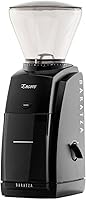
The Capresso Infinity Plus offers 16 settings from extra fine to very coarse, including a setting for cold brew. It may suit you if you want a straightforward range that reaches coarse grounds.
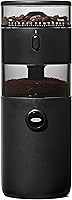
The OXO Brew Conical Burr Grinder has 15 main settings plus 43 micro-adjustments, with coarse options for cold brew. That range may help if you want to tune the grind in smaller steps.
For more options, compare the best coffee grinders for cold brew. Our guide to using a burr coffee grinder covers how to make and repeat a setting.
Should you grind beans fresh for cold brew?
Grinding just before brewing can help you keep the grind size consistent from batch to batch. Measure the beans first, then grind them to your coarse starting point.
Avoid grinding a large amount far ahead unless your routine calls for it. Keep whole beans in a sealed container and grind only what you plan to use, so you can adjust the next batch based on taste.
If coffee grounds cling to your grinder, see our tips for a coffee grinder static fix. Static can make grounds harder to transfer cleanly into your brewing container.
What grind size should you use for cold brew concentrate?
Start with coarse grounds for concentrate too, then follow the recipe's water ratio and steep time. A concentrate recipe may use more coffee per amount of water, so don't assume you need a finer grind to make it stronger.
When serving, dilute the finished concentrate to taste. If it tastes harsh before dilution, adjust the grind or steep time in the next batch rather than relying on extra water to hide the problem.
How do you filter cold brew without excess sediment?
Use a filter that catches the grounds your brew method produces. A coarse grind reduces fine particles, while careful pouring can keep settled grounds out of the cup.
Let the grounds settle briefly before pouring if your method allows it. Avoid squeezing a paper filter or pressing grounds through a mesh filter, since that can push sediment into the brew.
If the coffee remains muddy, check whether your grinder is producing too many fine particles. A small adjustment toward coarser grounds may help.
What grind size makes the best cold brew for you?
For most recipes, start coarse, then tune the grind to your taste and filter. Go a little finer if the brew tastes weak, or coarser if it tastes harsh or muddy.
Choose a grinder with a simple coarse range for a basic starting point, or one with more adjustment if you want to fine-tune. For another immersion recipe, compare your settings with the French press grind guide.
Frequently asked questions
What grind size should you use for cold brew?
Start with a coarse grind, around the texture of coarse sea salt. Coarse particles suit a long steep and are easier to filter than fine grounds.
Adjust slightly finer if the coffee tastes weak, or coarser if it tastes harsh or leaves too much sediment.
Can you use a medium grind for cold brew?
You can, but medium grounds may extract faster and pass through some filters more easily than coarse grounds. If medium is your only option, shorten the steep and check the taste early.
A burr grinder with a coarse setting gives you more control.
How long should coarse grounds steep for cold brew?
Many recipes steep coarse coffee in cold water for about 12 to 24 hours, but the right time depends on the recipe, coffee, and refrigerator or room temperature. Follow your recipe, taste near its shorter end, and change one variable at a time.
Why does cold brew taste bitter or muddy?
Bitter or muddy cold brew can come from grounds that are too fine, a long steep, or filtration that lets sediment through. Try a coarser grind or a shorter steep, and use a filter suited to fine particles.
Change one factor at a time so you can tell what helped.